Quick Navigation
Introduction
Every dog owner knows the frustration of fleas. These tiny parasites are not just a nuisance but a real health concern for pets and their families. A single flea can bite multiple times in just one day, leaving your dog itchy, restless, and at risk of skin infections or allergic reactions. Even worse, a female flea can lay dozens of eggs that quickly spread into carpets, furniture, and bedding, creating an infestation that is difficult to eliminate once it takes hold. While modern flea treatments are effective at killing adult fleas, they don’t stop new ones from jumping on your dog. That’s where a flea comb for dogs becomes invaluable. This simple tool not only removes adult fleas and their dirt on contact, but it also serves as your first line of defense by detecting a problem early before it spirals out of control.

Understanding Fleas and Why Combing Matters
To understand why a flea comb is so effective, it helps to look at the flea life cycle. Fleas move quickly through four stages: egg, larva, pupa, and adult. The adult fleas are what you see jumping on your dog, but they make up only a small portion of the problem. Eggs and larvae live in your dog’s environment like carpets, dog beds, and even in the cracks of hardwood floors. A single flea can lay up to fifty eggs a day, which roll off your dog and spread throughout your home. This is why many owners are caught off guard: by the time you notice scratching, an infestation is often well underway.
A flea comb plays a critical role here because it can detect the presence of adult fleas before they multiply further. The comb also helps you identify “flea dirt,” which looks like tiny black or brown specks in your dog’s coat. Flea dirt is actually digested blood left behind by feeding fleas, and it’s one of the most reliable early warning signs. To test it, you can place a speck on a damp paper towel – if it leaves a red streak, you’ve confirmed flea activity. While this might sound unpleasant, it’s a vital step in controlling fleas, because the sooner you confirm their presence, the faster you can act.
What Is a Flea Comb and How Does It Work?
A flea comb for dogs may look like a simple grooming tool, but its design makes it uniquely powerful in the fight against parasites. Unlike regular brushes or wide-toothed combs that glide through the coat without much resistance, a flea comb has rows of very closely spaced teeth that reach right down to your dog’s skin. As the comb moves through the fur, the tiny gaps between the teeth trap adult fleas, flea eggs, and flea dirt, pulling them to the surface where you can remove them immediately. This makes it one of the most direct ways to physically reduce the number of fleas on your pet, while also giving you clear evidence of whether or not they’re present. Many veterinarians recommend flea combs not just as a treatment tool but as a diagnostic one, because they can reveal infestations long before a dog shows obvious symptoms.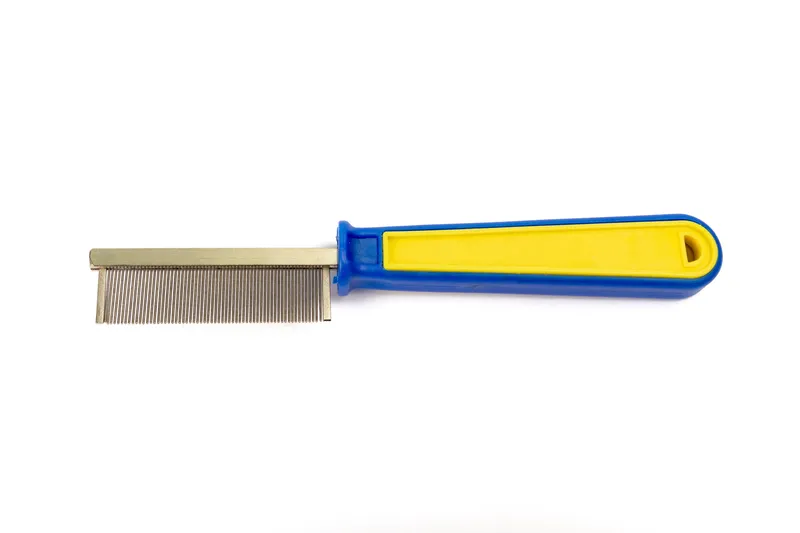
The construction of the comb itself plays a big role in how effective it will be. Pet owners are usually advised to invest in a high-quality metal flea comb rather than a plastic one, as metal teeth are sturdier, easier to clean, and less likely to snap under pressure. The length of the teeth also matters. Shorter teeth are best suited for smooth-coated breeds like Beagles or Boxers, where the fur lies flat and close to the body. For dogs with longer or double coats such as Golden Retrievers, Huskies, or Poodles, a comb with longer teeth is needed to penetrate all the way down to the undercoat. If the comb doesn’t reach the skin, it won’t catch the fleas, which tend to hide in the warmest, most protected areas of the coat.
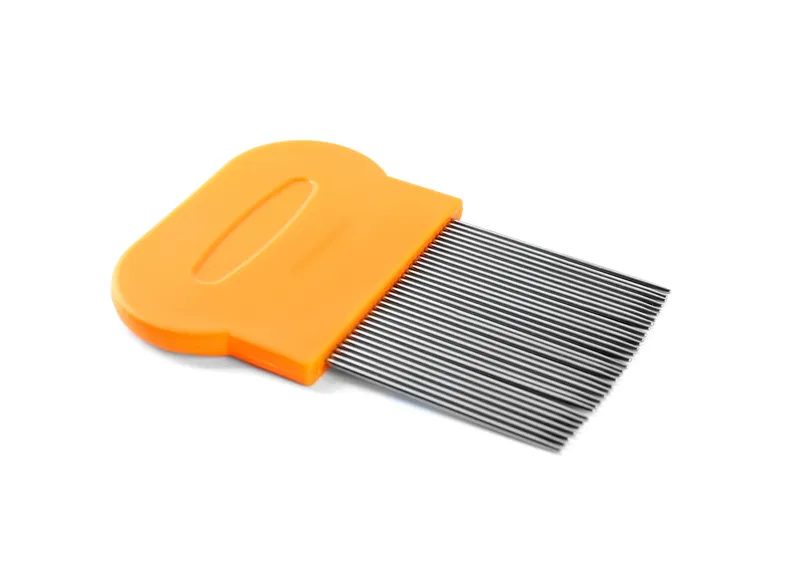
Flea combs come in different formats, and each has its place in your grooming toolkit. The most common and widely used option is the manual flea comb, which requires nothing more than steady strokes and patience. These combs are lightweight, easy to carry, and excellent for on-the-go checks after trips to the dog park or long walks in grassy areas. There are also electric flea combs, which deliver a mild static charge that kills fleas on contact as the comb passes through the coat. While they may look bulkier and sound a little futuristic, they are safe for pets when used correctly. However, some dogs are startled by the faint buzzing sound these combs make, so they aren’t always the best choice for sensitive animals.
When deciding on the best flea comb for dogs, comfort for both pet and owner should be a top priority. Handles that are ergonomically designed will help you maintain a firm grip during longer grooming sessions, while combs with cushioned grips reduce hand fatigue. On your dog’s end, you’ll want to choose combs with teeth that are rounded at the tips to avoid scratching or irritating their skin. A combing session should feel more like a soothing massage than a stressful procedure, which is why investing in a good-quality comb is always worth the small expense.

How to Use a Flea Comb on Your Dog
Learning how to use a flea comb properly is just as important as owning one. A comb is only as effective as the technique behind it, and the right approach ensures that you capture fleas instead of just brushing over them. The process should always begin with preparation. Before you start combing, make sure your dog’s coat is clean and free of tangles or mats. A quick pass with a slicker brush or pin brush helps remove loose hair and smooth out knots, making it easier for the fine teeth of the flea comb to glide close to the skin. If you notice stubborn mats, carefully trim them away with scissors or use a dematting tool so the comb does not pull at your dog’s fur and cause discomfort. Dogs that associate the comb with pain will be less cooperative in future sessions, so keeping things smooth from the start is key. Once the coat is ready, choose your location carefully. Flea combing is best done in an empty bathtub, on a tiled floor, or even outdoors where any fleas you dislodge will not burrow immediately into your carpets or upholstery. Many owners find that laying down a light-colored towel helps catch anything that falls, making it easier to see what you are removing. A bowl of warm water mixed with a small amount of dish soap should always be within reach. After every few strokes, dip the comb into the soapy water to drown any fleas you catch and to clear the teeth of debris. This step may seem small, but it is what turns a simple grooming session into an active flea control strategy.
How Often Should You Use a Flea Comb
The frequency of flea combing depends on your dog’s lifestyle, environment, and whether you are dealing with prevention or an active infestation. For most healthy dogs who live primarily indoors and are on routine flea prevention medication, a weekly combing session during the warmer months is usually enough. Fleas thrive in warm, humid conditions, which means spring and summer are the peak seasons for infestations. A once-a-week combing not only helps catch the occasional flea that might jump on your dog during a walk or playtime in the yard but also allows you to keep tabs on whether your prevention program is holding up. Think of it as a weekly health check that takes just a few minutes but can save you weeks of frustration later.
For dogs with a more social lifestyle, the schedule should be more frequent. If your dog visits dog parks, attends daycare, or boards in kennels, they are exposed to environments where fleas can easily transfer between animals. In these cases, combing several times a week is recommended. A quick combing after each visit can prevent new fleas from setting up a foothold and laying eggs in your home. This practice is especially helpful for owners of breeds with thicker coats, as fleas can be harder to spot by sight alone. By making combing part of your routine after high-risk activities, you stay ahead of potential problems rather than reacting to them once your dog is already uncomfortable.


Active infestations require a much more diligent schedule. When you discover live fleas on your dog, daily combing becomes necessary until the population is fully under control. A single female flea can lay up to fifty eggs a day, meaning the difference between a mild case and a household infestation can be a matter of just a few days. Daily combing physically removes many of the adult fleas and eggs, giving your other efforts such as topical or oral preventatives, vacuuming, and laundering bedding a better chance at success. During this stage, consistency is everything. Missing just a few days can allow the cycle to continue unchecked, and you may find yourself right back at the beginning.

How Flea Combing Fits into a Complete Prevention Plan
A flea comb is a powerful tool, but it should never be your only line of defense against fleas. Think of it as one part of a layered strategy that combines grooming, medication, and environmental management. While combing can instantly remove adult fleas and flea dirt, it does not address the eggs and larvae hiding in your home or yard. This is why successful flea prevention always requires a multi-pronged approach. By combining combing with veterinarian-approved preventatives and consistent cleaning habits, you create a system that protects your dog from all angles.
The first and most important layer of prevention comes from veterinary products. Topical treatments, oral tablets, and flea collars are designed to kill fleas within hours of contact, reducing the chance of a full-blown infestation. However, no treatment is foolproof. Fleas can still jump onto your dog, and it may take time for the medication to take effect. This is where flea combing becomes essential. By running a comb through your dog’s coat regularly, you can remove any fleas before they reproduce, essentially catching the problem in the window of opportunity between contact and death. The comb also provides visible confirmation that your chosen prevention is working. If you continue to find live fleas week after week, it may be time to consult your veterinarian about switching to a different product.

Coat Type Considerations and Special Cases
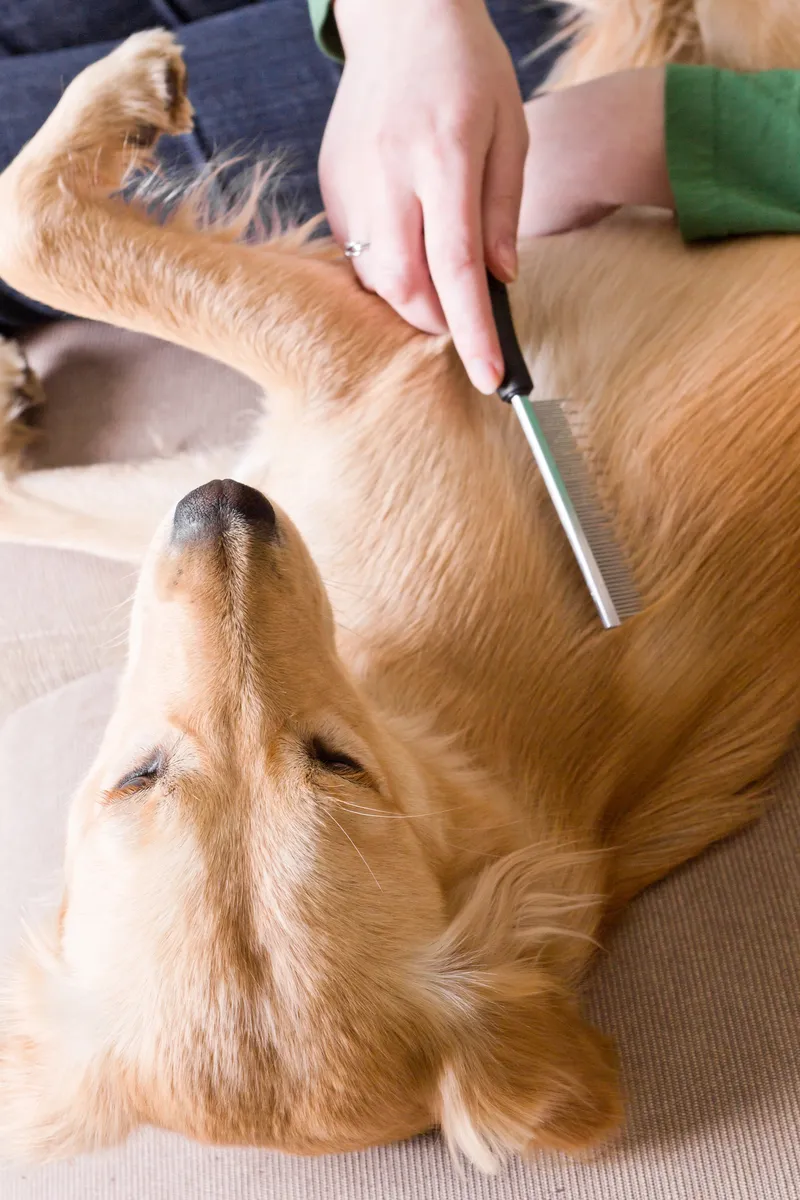
Not all dogs are built the same, and the effectiveness of a flea comb can depend heavily on the type of coat your dog has. Smooth-coated breeds such as Beagles, Boxers, or Dalmatians are generally the easiest to comb because the fine teeth can reach the skin without resistance. A short-coated dog often only needs a standard metal comb with short teeth, making the process quick and efficient. However, owners of longer-coated or double-coated breeds face a more involved process. Dogs like Golden Retrievers, Huskies, or Poodles have dense layers of fur that create hiding spots where fleas can thrive undisturbed. In these cases, choosing a comb with longer teeth is essential to penetrate the full depth of the coat. Parting the hair into sections and working methodically ensures you do not miss the deeper layers where fleas are most comfortable.
Curly-coated breeds add a different challenge altogether. Poodles, Bichon Frises, and other curly-haired dogs often have coats that trap debris and make combing more time-consuming. Fleas can slip between the curls and be missed if you rush through the process. For these breeds, it is best to first use a slicker brush to gently loosen the coat and remove tangles before bringing out the flea comb. By preparing the fur properly, you ensure that the comb reaches the skin where the fleas are feeding, rather than just skimming across the surface. Patience is key here, and sessions may take longer than with short-coated breeds, but the payoff is a cleaner, healthier coat and a more comfortable pet.
Common Mistakes to Avoid When Using a Flea Comb
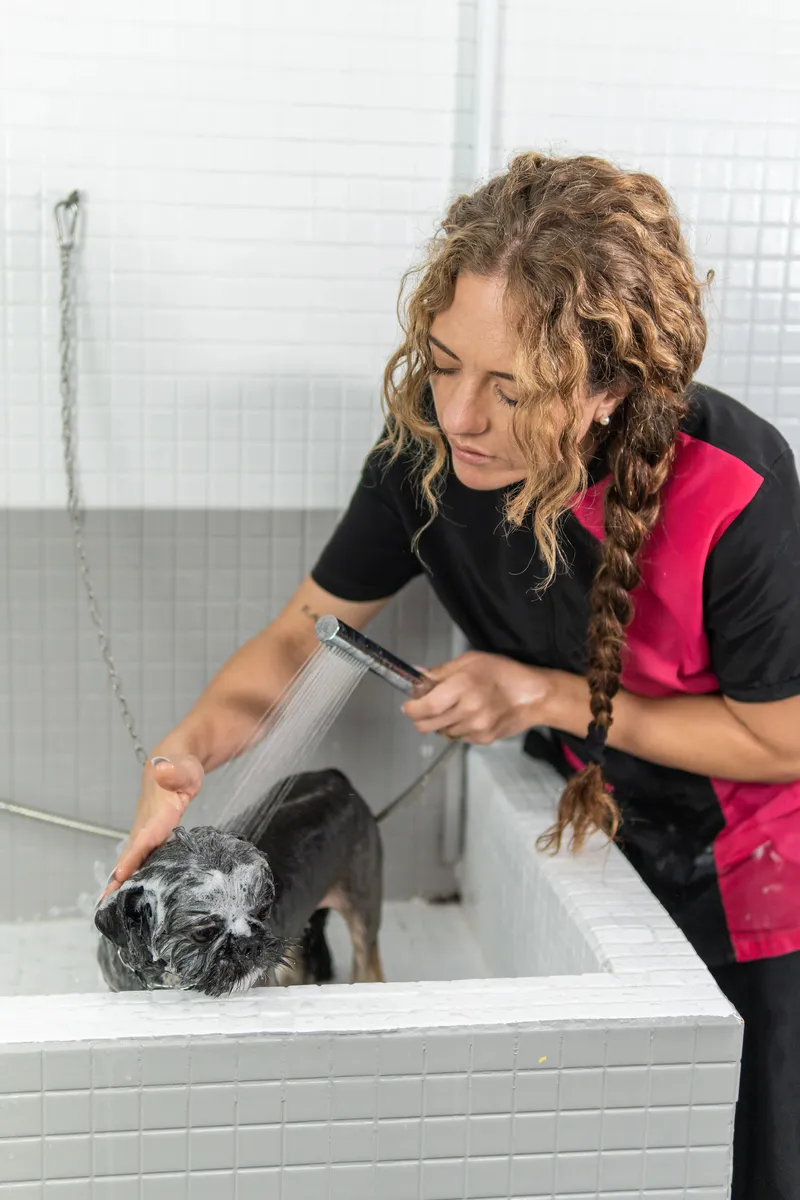
Even though flea combs are simple tools, there are several common mistakes that can make them far less effective than they should be. One of the most frequent errors is rushing through the process. Flea combing is not something that can be done in just a few quick strokes. Fleas move fast and can slip past the comb if you are not methodical. Owners who skim over the coat often miss the hidden areas where fleas prefer to hide, such as the groin, armpits, and base of the tail. Taking your time and working in small sections ensures that every part of the coat is covered and that you are not giving fleas a chance to escape.





Benefits Beyond Flea Control
While flea combs are primarily designed to capture fleas and flea dirt, their benefits extend well beyond parasite management. One of the most overlooked advantages of regular flea combing is its impact on your dog’s coat and skin health. The fine teeth of the comb gently remove loose hair, dirt, and dander that can build up over time. This prevents matting and promotes better airflow to the skin, which reduces irritation and keeps the coat shinier. Regular combing also distributes natural oils produced by your dog’s skin, which contributes to a healthy, glossy coat. For owners, this means less shedding around the house and a pet that looks and feels better overall. Flea combing also serves as an early warning system for other issues. By running a comb close to the skin, you get a unique opportunity to closely examine your dog for abnormalities. Small bumps, hot spots, or patches of irritation are often noticed first during grooming. Detecting these changes early can make a huge difference in managing skin conditions or infections before they become serious. In some cases, owners have even discovered ticks, small cuts, or signs of allergies while flea combing, issues that might have gone unnoticed otherwise. In this sense, the comb becomes not just a grooming tool but also a health monitoring device. The process itself can also strengthen the bond between you and your dog. When done patiently and gently, flea combing provides one-on-one time where your dog receives your undivided attention. Many dogs learn to enjoy the routine because it involves touch, praise, and often treats afterward. Over time, dogs begin to relax during combing sessions, viewing them as moments of comfort rather than chores. This kind of positive physical interaction builds trust, especially in rescue dogs or those who may have had limited positive handling in the past. For households with children, flea combing can even become a teaching opportunity. Supervising older children while they gently comb the family dog can help instill lessons of responsibility, empathy, and animal care. It allows them to contribute to the dog’s wellbeing in a safe, manageable way. Just as importantly, it shows them that caring for a pet is not only about feeding and playing but also about protecting them from discomfort and illness.
Conclusion and Final Tips
Flea control can feel overwhelming, but with the right tools and a consistent routine, it becomes much more manageable. A flea comb for dogs is one of the simplest and most effective ways to take an active role in your pet’s health. By using the comb regularly, you not only catch fleas early but also improve coat health, monitor for other issues, and build a stronger bond with your dog. When combined with veterinarian-approved preventatives and good environmental cleaning habits, flea combing helps create a complete protection plan that safeguards both your dog and your home.
The key to success is consistency. Do not wait until your dog is scratching excessively to reach for the comb. Make it part of your regular grooming routine, whether that means once a week during the summer, several times a week for social dogs, or daily during an active infestation. Prepare your combing sessions with care, work methodically, and always dispose of fleas properly. Over time, these small steps add up to a huge difference in your dog’s comfort and your household’s wellbeing.
Every dog owner should view flea combing not as an optional extra but as an essential tool in their arsenal. It provides immediate relief, helps prevent infestations from spiraling out of control, and offers long-term benefits that go far beyond flea management. Whether you live in a warm climate where fleas are a constant challenge or in a seasonal area where infestations spike during summer, a reliable flea comb is a must-have for every grooming kit.
If you’re ready to get started, the next step is choosing a quality comb that suits your dog’s coat type and your grooming style. Investing in the right comb now will save you frustration later and ensure the process is both effective and comfortable.
Try out these top sellers from Amazon to find the perfect flea comb for your dog.
Disclosure: As an Amazon Associate, Barksy earns from qualifying purchases. This means if you click one of the links below and make a purchase, we may receive a small commission at no extra cost to you. These commissions help support Barksy and allow us to keep creating helpful guides for dog owners.
Best All-Around Flea Comb for Dogs
A reliable, everyday comb that works for most breeds and coat types.
Best Metal Flea Comb for Durability
Stainless steel option that stands up to regular use and is easy to clean.
Best Flea Comb for Puppies
Gentle design that is safe for young, sensitive dogs who cannot use chemical treatments.
Best Flea Comb for Long-Haired Dogs
Extra-long teeth designed to reach through dense or flowing coats.
Best Flea Comb for Short-Haired Dogs
Compact and efficient design for smooth coats like Beagles or Boxers.
Best Double-Row Flea Comb
Dual rows of teeth that capture even more fleas and flea dirt in one stroke.
Best Electric Flea Comb
Modern option that kills fleas instantly with a mild, pet-safe charge.
Best Flea Comb with Ergonomic Handle
Comfortable grip for longer sessions, reducing hand fatigue.
Best Budget-Friendly Flea Comb
Affordable yet effective choice for owners who want a simple tool.
Best Travel-Friendly Flea Comb
Portable design that fits easily into a pocket or bag for dog park or hiking trips.